
Application server products usually bundle middleware to enable applications to intercommunicate with dependent applications, like Internet servers, database administration techniques, and chart programs. The net pages are literally saved on the exhausting drives of other computer systems, and these are known as web servers. Relying in your needs and use case, it often is smart to pair an software server like Tomcat or Zend Server with a web server like Apache or NGINX to enable high availability and scalable performance. Hopefully it’s clear by now that net servers and utility servers have some functionality overlap, and one isn’t essentially superior to the other.
Net servers present robust TLS handling, slow-client buffering, compression, routing, connection controls, and mature ingress observability. Tayyaba delves into the intricacies of language, distinguishing between generally confused words and phrases, thereby offering AlexHost SRL readability for readers worldwide. As a researcher in semantics and etymology, Tayyaba’s passion for the complexity of languages and their distinctions has found a perfect house on the platform. Utility servers implement complete safety measures together with authentication, authorization, and safe communication protocols. Not using an software server for advanced applications can result in inefficiencies, incapability to scale, and safety vulnerabilities. A business may use an application server for purposes requiring complex transactions, database access, and scalable efficiency.
- In some eventualities, using only an internet server with plugins or modules could be a viable various to deploying separate internet and utility servers.
- Most generally used for Java EE-based enterprise purposes.
- Deciding when to use a web server vs utility server—or both together—is determined by your project’s construction and supply wants.
- Before digging deeper into detail, here’s a side-by-side comparison overview of how internet servers and application servers deal with key features.
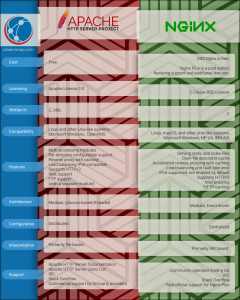
The Netcraft Net Server Survey tracks month-to-month market share and stays the canonical source for deployment developments throughout the public web. They bundle the appliance server proper into the deployment artifact, and for a small service that’s plenty – framework listens on 443, terminates TLS, serves static property, accomplished. Application server lives behind it, running business logic and deserializing inputs. Net servers and application servers don’t get hit by the identical things. It simply means they describe obligations now, not separate processes. Static vs dynamic – that is the surface reply to the web server vs software server variations.
Check out our guides to putting in NGINX on CentOS/Rocky Linux and Ubuntu if you would like to put this internet server to the test. Check out our in-depth guide to server safety to see what it takes to maintain a server safe from digital and physical threats. This functionality permits the server to store session knowledge and retain person data across requests. Internet servers are much simpler to scale horizontally as a end result of their smaller footprints. Web servers excel at delivering static assets, that are pre-existing information stored on the server that require no extra processing. This architecture enhances flexibility as you can develop, update, and scale providers independently without impacting the complete app.